Small steps can make a big difference: reducing your risk of cancer
By Dr Konrad Kangu
Cancer touches the lives of many individuals and families. While not every cancer can be prevented, research suggests that at least one in three cancer cases may be preventable through healthy lifestyle choices and participation in recommended screening programs.
Cancer prevention is not about being perfect or making dramatic changes overnight. It is about taking practical, sustainable steps to protect your health.
Know the risk factors you can change
One of the most important ways to reduce your cancer risk is to avoid smoking. Smoking remains the leading preventable cause of cancer and is linked to cancers of the lung, mouth, throat, bowel, bladder and several other parts of the body. If you smoke, it is never too late to quit. Your healthcare provider can discuss medications, nicotine replacement and other supports that may make quitting easier.
Alcohol also increases the risk of several cancers, including breast, bowel, liver, mouth and throat cancers. Even reducing the amount you drink can benefit your health. Consider including alcohol-free days in your week, choosing smaller servings or replacing an alcoholic drink with water or a non-alcoholic option.
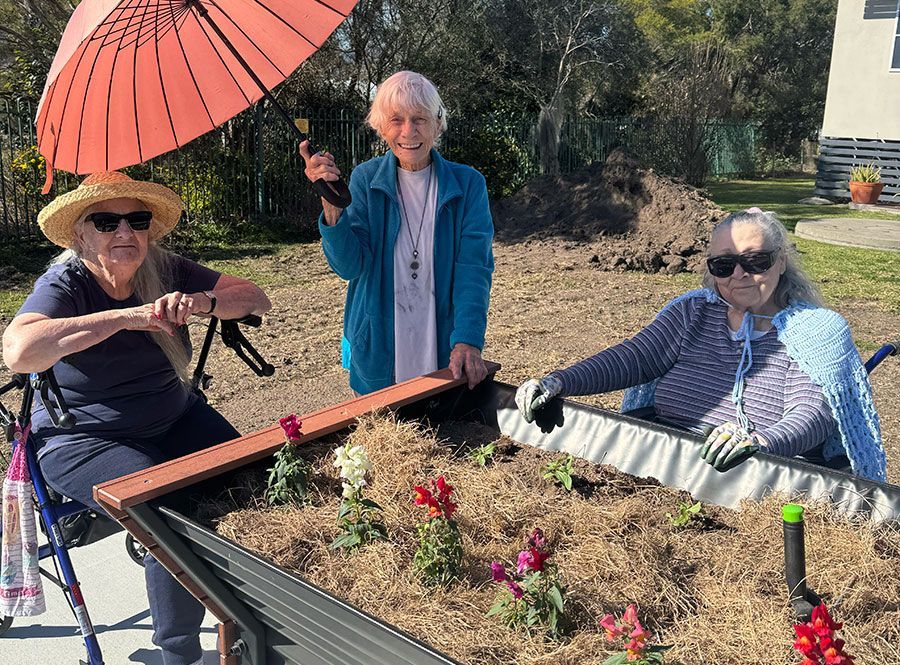
Regular physical activity, nutritious food and maintaining a healthy weight can also help reduce cancer risk. You do not need to join a gym or follow a complicated diet. Walking, gardening, housework and other activities that get you moving all count. Aim to eat plenty of vegetables, fruit, wholegrains and legumes, while limiting processed meats and highly processed foods.
In Queensland, protecting your skin is also essential - our colder Killarney days still bring plenty of sunshine. Check the UV level each day and remember to slip on protective clothing, slop on sunscreen, slap on a hat, seek shade and slide on sunglasses whenever sun protection is required.
Make screening part of your routine
Cancer screening aims to detect cancer—or changes that could lead to cancer—before symptoms develop. Finding cancer early can make treatment more effective.
Australia’s national screening programs include:
- Bowel screening: People aged 45 to 74 are eligible for a free home bowel screening test every two years. People aged 45 to 49 can request their first kit, while those aged 50 to 74 are generally sent one automatically. When bowel cancer is found early, more than 90% of cases can be successfully treated.
- Breast screening: Women over 40 can access a free mammogram every two years, with women aged 50 to 74 actively invited to participate through BreastScreen Australia.
- Cervical screening: Women and people with a cervix aged 25 to 74 are invited to have a Cervical Screening Test every five years. A self-collection option is also available for many participants.
- Lung screening: Australia’s National Lung Cancer Screening Program is available for eligible people at high risk of lung cancer. It uses a low-dose CT scan to look for early lung cancer in people who do not have symptoms. Speak with your healthcare provider if you have a history of smoking and think you may be eligible.
Screening is intended for people without symptoms. If you notice a new lump, unexplained bleeding, a persistent cough, changes in bowel habits, unexplained weight loss, a changing mole or any other unusual or persistent change in your body, do not wait for your next screening test. Make an appointment with your healthcare provider.
Start with one small step
Cancer prevention does not need to feel overwhelming. Start with one achievable action: complete the screening kit sitting at home, book an overdue health check, take a daily walk, reduce your alcohol intake, arrange a skin check or ask for support to stop smoking.
Your personal risk can be affected by your age, family history, previous health conditions and lifestyle. Regular health checks provide an opportunity to discuss which screening tests and preventive health measures may be appropriate for you.
Small decisions made today can have a meaningful impact on your future health. If you have been putting off a health check or screening test, now is a good time to make it a priority.
Our local GPs at K-Life are all well equipped to help you assess your risk and how you can best reduce your own cancer risk. To make an appointment at K-Life Medical Centre, please call 07 4664 1488.